











Learn how pacing boards for reading adds visual support in our small groups!
In first grade, early literacy and language take center stage, and I spend my days pulling small reading intervention groups focused on three key areas:
✅ IEP Goals & Objectives – Mastering early decoding skills like letter sounds, the alphabet, and blending.
✅ Phonics Bootcamp – Strengthening segmentation (phonemic awareness) and blending for decoding success.
✅ Guided Reading – A more traditional small group approach that builds phonemic awareness, phonics, and sight word recognition.
Many of my students attend multiple reading groups daily AND work with our speech-language pathologist (SLP) for extra support. With all these moving pieces, one major focus has been slowing down to apply the skills we’re learning.
Enter… PACING BOARDS! 🎉
Pacing boards are a visual, hands-on tool designed to help students control the rhythm of their speech.
My unofficial definition?
Pacing boards are a simple yet powerful way to help students tap or touch a token for each spoken word—keeping their speech on track without rushing or skipping over sounds.
Our SLP has been using pacing boards with several of our shared students, especially those who tend to skip words or blur phrases together.
Now that we’ve incorporated them into our reading groups, we’re seeing real progress—better pacing, clearer speech, and more confident readers. The pacing boards act as a visual reminder to separate each word instead of blending them together (like nottakingabreathbetweenwords).

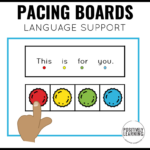
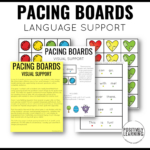
This visual could be used for a four-word sentence.
Speaking as a reading intervention teacher (and not a SLP), this is similar to using an Elkonian board to support segmentation and blending. The difference is that we are using pacing boards to separate words instead of sounds (phonemes).
Pacing boards are intended to support spoken language, but I was seeing many of the same issues during our reading, especially skipping over words.
Our solution:
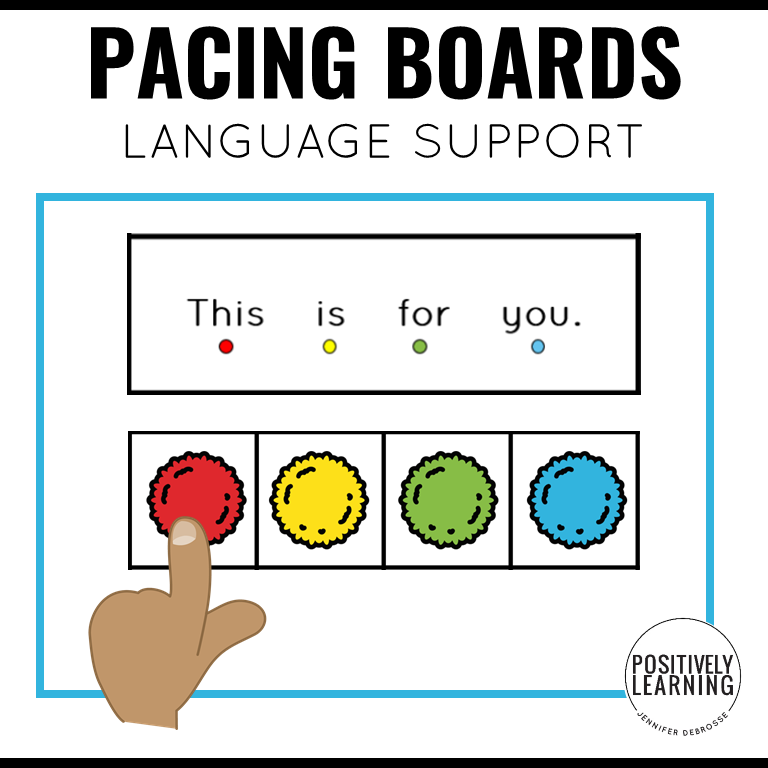
We began adding pacing board visuals to our sentences – color coding always helps, too!
Students can tap the colorful dots underneath the sentences or use the pacing board strips to track their words.
So… did pacing boards help with reading success?
One of the biggest wins from adding pacing boards to our small reading groups was increased engagement. Probably the novelty of being able to TOUCH something, LOL. With three different reading intervention groups happening daily, we’re spending A LOT of time practicing early literacy skills—so anything that keeps students engaged is a major plus.
Another major benefit? The visual support. I was surprised by how quickly my students started paying closer attention to their reading. That extra awareness led to more careful decoding and fewer skipped words. A simple tool, but a powerful impact!
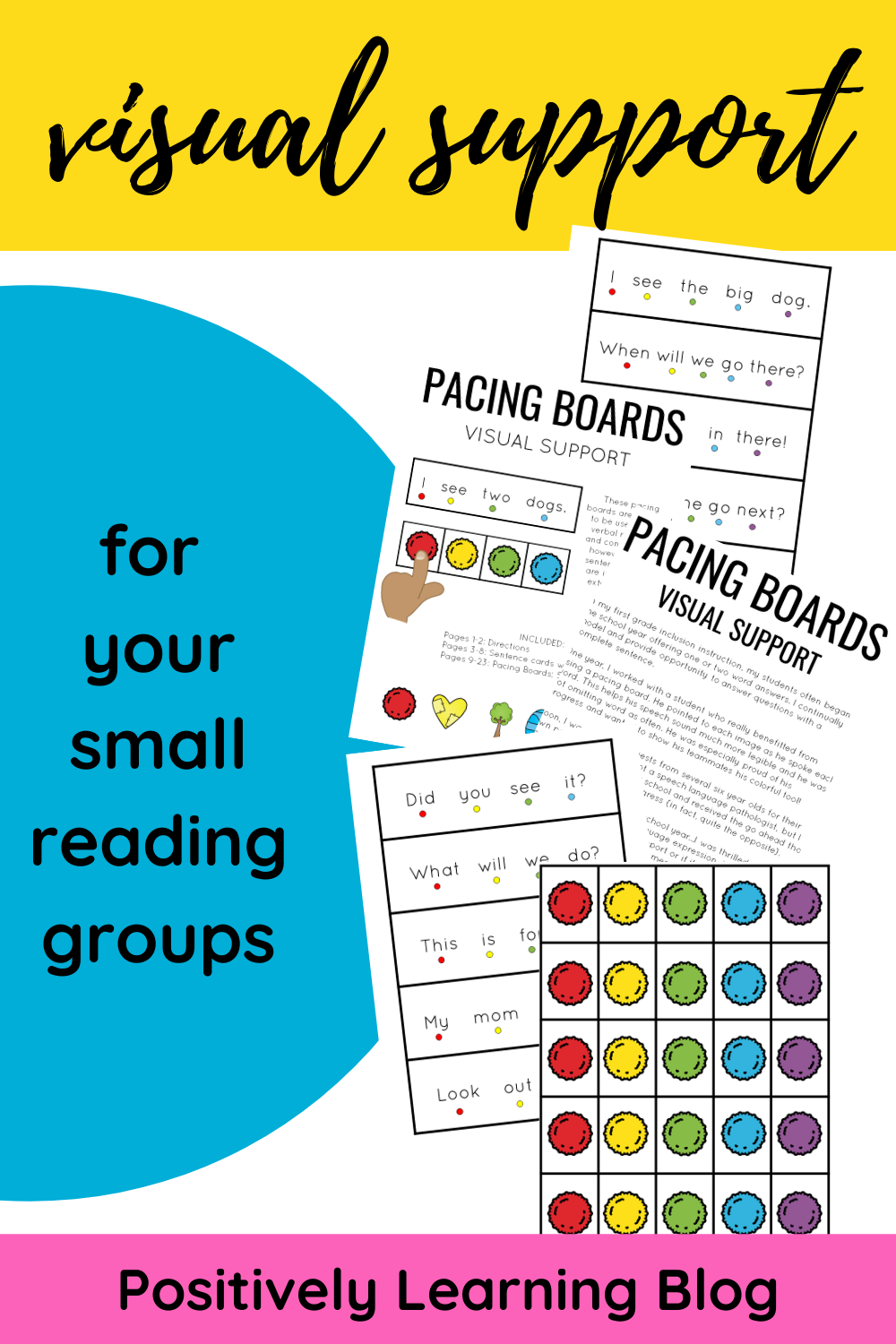
You could easily DIY your own pacing boards by placing stickers on cardstock. If you'd prefer an easy done-for-you option, check out everything included in this support kit:
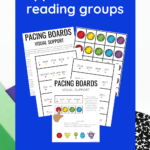
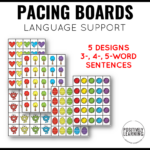
Pacing Boards – there are FIVE designs (an easy way to mix things up) that are available in 3-, 4-, and 5-word sentences. Hint: we usually just used the pacing boards with five spaces – less switching, more reading!
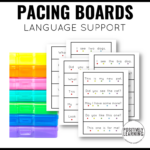
Decodable Sentences – this is the best part! Here's a set of decodable sentences (predictable phonics sound-spellings and primer sight words) organized by 3, 4, and 5 words. Each word has a color-coded dot that matches the pacing boards.

If you're interested in adding this visual support and sentences to your reading instruction, click below for a closer look: